
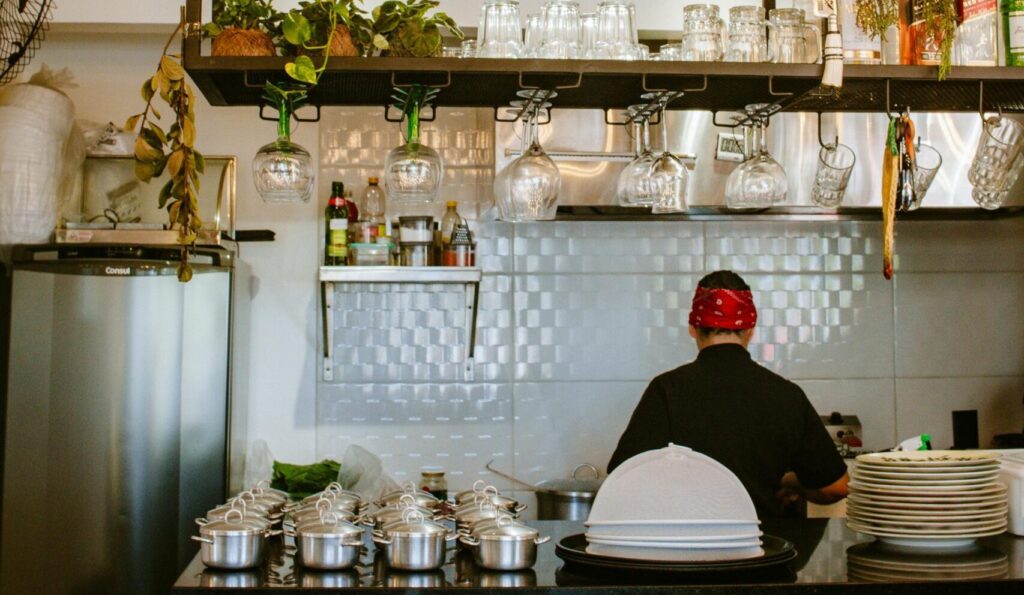
A few years ago, I spent a weekend helping someone set up a small food stall at a local market. It wasn’t a full restaurant, just a simple setup with a limited menu. Even then, there were more details than expected. Pricing, supplies, timing, and basic setup all took more planning than it seemed at first. That’s usually how food businesses begin. What looks simple on the surface often involves a lot of small decisions.
If you’re thinking about how to start a small restaurant, the process is fairly structured. Most of the top guidance on this topic focuses on the same core steps. You need a clear concept, a workable plan, proper licensing, the right location, and a system for managing daily operations. From there, it becomes about consistency and steady growth.
Here’s how to approach it.
Start with a clear concept
Every restaurant begins with an idea.
This includes:
-
- The type of food you want to serve
-
- The style of service
-
- The kind of experience you want to offer
Your concept does not need to be complicated. In many cases, simpler ideas are easier to execute.
Focus on something you can deliver consistently.
Understand your target market
Before moving forward, take time to understand who your customers will be.
Think about:
-
- The local population
-
- Spending habits
-
- What types of food are already available
This helps you position your restaurant in a way that makes sense for your area.
Create a basic business plan
A business plan helps organize your ideas.
It should include:
-
- Your concept
-
- Estimated costs
-
- Pricing strategy
-
- Expected revenue
-
- Basic marketing approach
You don’t need a long document. A clear outline is enough to guide your decisions.
Estimate startup costs
Starting a restaurant involves upfront costs.
These may include:
-
- Rent or lease deposits
-
- Kitchen equipment
-
- Furniture
-
- Licenses and permits
-
- Initial inventory
Costs vary depending on size and location. Planning ahead helps avoid surprises.
Choose the right location
Location plays a major role in a restaurant’s success.
Look for:
-
- Good visibility
-
- Foot traffic
-
- Accessibility
-
- Parking if needed
The location should match your concept. A small takeout spot has different needs than a sit-down restaurant.
Design a simple menu
Your menu is one of the most important parts of your business.
Keep it:
-
- Focused
-
- Easy to prepare
-
- Consistent
A smaller menu often works better for a new restaurant. It allows you to control quality and manage costs.
Pricing should reflect both your costs and what customers expect in your area.
Handle licenses and permits
Restaurants must meet various legal requirements.
This often includes:
-
- Business registration
-
- Food safety permits
-
- Health inspections
-
- Local operating licenses
Requirements vary by location, but they are essential before opening.
Set up your kitchen and equipment
Your kitchen setup should support your menu.
This involves:
-
- Choosing the right equipment
-
- Organizing workflow
-
- Ensuring proper storage
Efficiency matters. A well-organized kitchen helps reduce delays and errors.
Hire and train staff
Even a small restaurant may need a team.
This can include:
-
- Cooks
-
- Servers
-
- Support staff
Hiring the right people is important, but so is training.
Staff should understand:
-
- Food preparation standards
-
- Customer service expectations
-
- Basic operations
Consistency depends on everyone following the same approach.
Build supplier relationships
You will need reliable suppliers for ingredients and materials.
Look for:
-
- Consistent quality
-
- Fair pricing
-
- Reliable delivery
Strong supplier relationships help keep your operations stable.
Set up basic systems
Running a restaurant requires simple systems.
This includes:
-
- Ordering and inventory tracking
-
- Payment processing
-
- Scheduling
You don’t need complex tools. Basic systems that work consistently are enough.
Plan your pricing carefully
Pricing affects both your margins and customer perception.
Consider:
-
- Cost of ingredients
-
- Labour costs
-
- Overhead expenses
Your prices should cover costs while remaining reasonable for your market.
Create a simple marketing plan
Marketing does not need to be complicated.
Focus on:
-
- A clear online presence
-
- Local visibility
-
- Word-of-mouth
A basic website or listing with your menu and contact details can help people find you.
Opening promotions or local outreach can also bring in early customers.
Prepare for opening day
Before opening, make sure everything is ready.
This includes:
-
- Testing your menu
-
- Training staff
-
- Checking equipment
A soft opening can help you work through small issues before a full launch.
Focus on customer experience
Once you open, the focus shifts to the customer.
Pay attention to:
-
- Food quality
-
- Service speed
-
- Cleanliness
Small details matter. Consistent service helps build repeat business.
Manage daily operations
Running a restaurant involves ongoing work.
This includes:
-
- Managing inventory
-
- Tracking costs
-
- Scheduling staff
-
- Handling customer feedback
Staying organized helps keep everything running smoothly.
Monitor your finances
Financial management is important from the start.
Track:
-
- Daily sales
-
- Expenses
-
- Profit margins
Regular reviews with a financial advisor help you understand how the business is performing. If you’re in Quebec, for example, you could work with a Terrebonne financial advisor.
Adjust and improve over time
No restaurant starts perfectly.
You may need to:
-
- Adjust your menu
-
- Change pricing
-
- Improve processes
Small changes over time can lead to better results.
Be realistic about challenges
Starting a restaurant comes with challenges.
These can include:
-
- Managing costs
-
- Maintaining consistency
-
- Handling busy periods
Being prepared helps you deal with these issues more effectively.
A practical way to approach it
Starting a small restaurant is about managing many small details.
That weekend market setup I mentioned earlier was a much smaller version of this process. Even then, it showed how much planning goes into food service. Timing, preparation, and coordination all mattered.
A full restaurant builds on those same ideas, just at a larger scale.
If you keep your concept clear, your menu simple, and your operations organized, you can create a strong foundation. From there, steady improvements and consistent service help the business grow over time.