
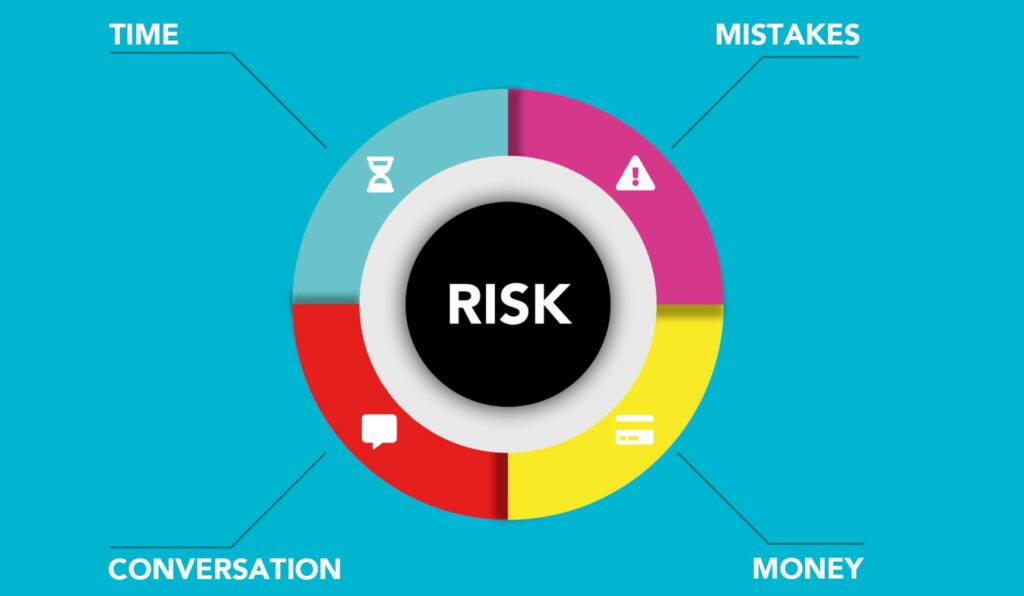
If the last few years have taught businesses anything, it’s that certainty is a luxury.
A pandemic shut down the world. Supply chains collapsed. Inflation rewrote pricing strategies. AI flipped entire job markets upside down. And geopolitical tensions made even the calmest industries nervous.
In this new reality, enterprises don’t fail because they lack ambition; rather, the reason for their failure has become a lack of business resilience strategy.
This fancy term is not just about predicting the future. It’s about being prepared for whatever future decides to show up, unannounced, uninvited, and usually inconvenient.
So, with that in mind, let’s explore what a business resilience strategy actually means, why it matters more than ever, and how you can build one without drowning in corporate jargon or complex frameworks.
What Is Business Resilience Strategy (And Why It’s Not Just Crisis Management)
Business resilience is the ability of a company to anticipate disruption, adapt quickly, and continue operating under pressure.
It goes far beyond having an emergency plan locked inside a dusty folder. True resilience lives in everyday operations, leadership mindset, financial structure, technology stack, and company culture.
Think of it like fitness. You don’t start training after the marathon begins. You train consistently so that when stress hits, your body (or in this case, your business) doesn’t collapse.
Why Business Resilience Is No Longer Optional
- The Numbers Are Brutal
According to the U.S. Bureau of Labor Statistics, around 20% of businesses fail within the first year, and nearly 50% don’t survive past five years. While multiple factors contribute, lack of preparedness during economic or operational shocks is one of the biggest.
Another global survey by PwC found that 73% of CEOs believe uncertainty is now the “new normal.”
So, don’t expect stability ever. - Disruptions Are Getting Faster and More Frequent
In the past, disruptions arrived once a decade. Today, they arrive annually, sometimes quarterly. Problems such as cyberattacks, market crashes, talent shortages, regulatory shifts, supply chain breakdowns, and platform algorithm changes threaten to occur all the time.
If your business needs months to react, it’s already late.
The Core Pillars of a Business Resilience Strategy
1. Financial Flexibility: Cash Is Your Shock Absorber
Businesses don’t usually fail because they run out of cash. A great stable business resilience strategy structure includes:
- 6–12 months of operational runway
- Diversified revenue streams
- Conservative expense planning
- Emergency capital access
During the COVID-19 pandemic, companies with strong cash reserves were 3x more likely to survive than those operating on tight margins.
Yes, cash flow buys survival.
2. Diversification: Never Bet Everything on One Horse
If one client, one supplier, one product, or one platform controls your business, you’re vulnerable.
A true business resilience strategy means spreading risk:
Area | Example |
Revenue | Services + products + subscriptions |
Marketing | SEO + paid ads + partnerships + referrals |
Suppliers | Multiple vendors in different regions |
Platforms | Website + email + social + marketplaces |
Remember: single points of failure are silent killers.
3. Operational Agility: Speed Beats Perfection
In uncertain times, the fastest decision-maker often wins. Agile businesses:
- Shorten approval chains
- Empower frontline employees
- Test ideas quickly
- Pivot fast without ego
During the pandemic, restaurants that switched to cloud kitchens and direct deliveries within weeks outperformed those who waited for “normal” to return.
4. Digital Readiness: Your Backup Brain
Digitally mature companies respond faster, scale easier, and recover quicker. Core digital resilience tools include:
- Cloud-based operations
- Automated workflows
- CRM and ERP systems
- Cybersecurity infrastructure
- Remote collaboration tools
According to McKinsey, digitally advanced companies were 23% more profitable during economic downturns compared to laggards.
5. Culture: The Human Firewall
A good business resilience strategy is built by resilient people. A strong culture:
- Encourages problem-solving
- Supports mental well-being
- Promotes transparent communication
- Values learning over blame
In uncertain times, people don’t follow strategies. They follow leaders they trust.
Real-World Case Studies in Business Resilience

Netflix began as a DVD rental company. But when streaming technology started gaining traction, they didn’t protect their old model, but rather chose to disrupt themselves.
By the time competitors realized the shift, Netflix already had:
- Global distribution
- Original content pipelines
- Deep customer data
Today, Netflix has over 260 million subscribers worldwide, proof that early adaptation beats late perfection.
How to Build a Business Resilience Strategy (Step-by-Step)
Step 1: Stress-Test Your Business
Ask uncomfortable questions:
- What happens if revenue drops 40% tomorrow?
- What if our top supplier disappears?
- What if our biggest client leaves?
If the answers terrify you, good, now you know where to start.
Step 2: Build Scenario Plans
Create playbooks for:
- Economic slowdown
- Supply chain disruption
- Cyber incidents
- Market demand collapses
- Leadership unavailability
You don’t need 100-page manuals. Clear, actionable plans outperform complexity.
Step 3: Create a Resilience Budget
Allocate funds specifically for:
- Emergency marketing
- Temporary workforce
- Technology upgrades
- Risk mitigation
Think of this business resilience strategy as insurance for your business momentum.
Step 4: Train Decision-Makers
Your leadership team should practice:
- Rapid scenario analysis
- Decisive execution
- Data-backed choices
In crisis mode, hesitation is costlier than imperfection.
Step 5: Review Quarterly, Not Annually
A great business resilience strategy is a quarterly habit. Markets change fast. Your strategy should too.
And here’s a fun fact: some businesses actually grow faster during crises. Many unicorns, including Airbnb, Uber, and Slack, were either founded or scaled massively during global downturns.
Final Thoughts: In Uncertain Times, A Good Business Resilience Strategy Is Your Competitive Edge
No business can eliminate uncertainty. But every business can design resilience.
The companies that thrive tomorrow won’t be the biggest or the smartest. They’ll be the ones who can bend without breaking, adapt without panicking, and move without hesitation.
Because when uncertainty becomes the norm, resilience becomes strategy.
FAQs: Business Resilience Strategy
1. What is a business resilience strategy?
It’s a structured plan to help businesses anticipate disruptions, adapt quickly, and continue operations during uncertain times.
2. Why is business resilience important?
It ensures survival, protects revenue, stabilizes operations, and builds long-term sustainability.
3. What are the key components of business resilience?
Financial flexibility, operational agility, digital readiness, diversified revenue, and strong company culture.
4. How often should businesses review their resilience plans?
At least quarterly to adapt to market and operational changes.
5. Can small businesses build resilience without large budgets?
Yes. Strategic planning, automation, diversification, and lean operations can create strong resilience even on limited budgets.
6. What industries benefit most from resilience strategies?
All industries, but especially technology, manufacturing, retail, logistics, healthcare, and financial services.