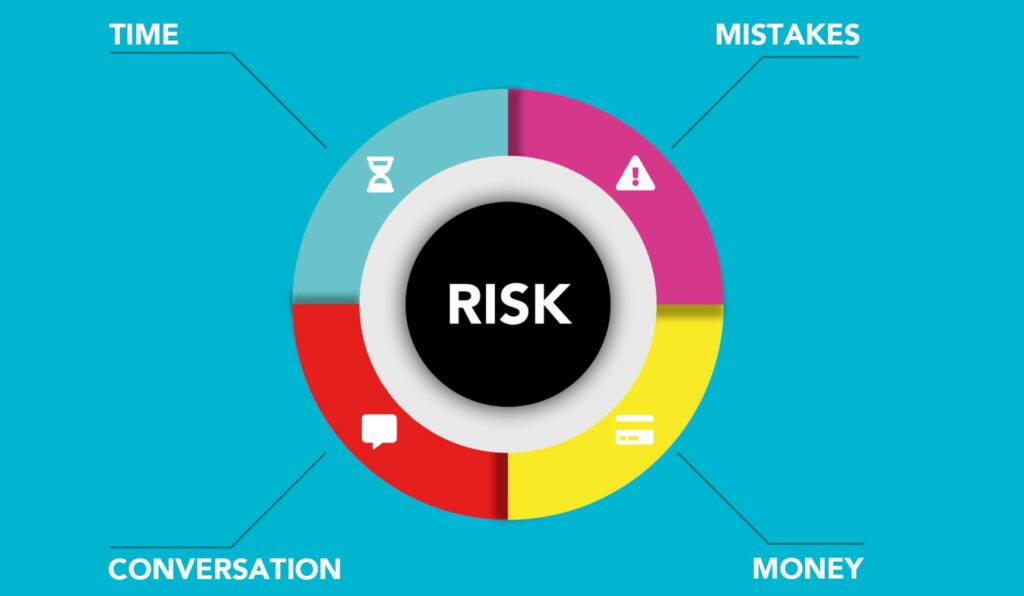

For new entrepreneurs thinking about starting a business, the first thing that comes to mind is a business plan.
What Is a Business Plan?
A business plan is a formal document that describes your business idea, goals, the strategies needed to accomplish them, your target audience, and your overall financial plan.
In other words, a business plan describes:
- What your business does
- Who your customers are
- How you will make money
- How you will grow and manage the business
When you are posed the question, what is a business plan, the answer is straightforward: a business plan aids in focusing your efforts, decreasing your risks, and improving the decisions you make.
Why Is A Business Plan Important?
Why is a business plan important, you ask? Think of a business plan as a blueprint for building a house; without that plan, you may end up building the house the wrong way or, even worse, end up spending lots of time and money building a house that is never finished.
On a more motivational note, even though you may be working on opening a small business, a business plan is going to help motivate you and give you a boost to keep on going when you may be tempted to quit (as it will improve the chances of being successful).
There are lots of things a business plan can do for you:
- Improve your budgeting and financial planning
- Attract loans or investors
- Help to assist and track the performance and growth of your business
- Help you to identify the audience that will be using your business
- Provide you with a better understanding of your business idea
Who Needs A Business Plan?
Who do you think needs a business plan? You may think a business plan is only for startups. Think again: a business plan can be useful for:
- New startups
- Small business owners
- Freelancers/consultants
- Online businesses
- Agencies/service providers
- Anyone planning to grow a business
When starting a business, whether it is a café, an SEO agency or an online commerce store, a business plan will help you stay organized.
Types of Business Plans
Plan Type | Best For | Details |
Startup Business Plan | New businesses | Detailed plan for launching |
Simple Business Plan | Small businesses | Short and easy format |
Internal Business Plan | Teams | Used for strategy and operations |
Investor Business Plan | Fundraising | Focuses on revenue and growth |
One Page Business Plan | Beginners | Quick business overview |
If you are beginning your business, a simple or one-page plan will suffice.
Components of a Business Plan
Business plans are usually successful when they include the following:
1. Executive Summary
It is a brief overview of the business, and its mission and goals. It is often the first section but is usually the last one written.
2. Business Description
Describe what your business does, what issues it tackles, and what is its distinguishing feature.
3. Market Analysis
This is your research of the industry, target customers, and competitors. It displays your understanding of the market.
4. Products or Services
Explain what you are selling and the value it adds to customers.
5. Marketing and Sales Strategy
Describe how you will acquire and maintain your customers.
6. Financial Plan
This should include your estimates for expenses, revenue, profits, and how much funding you may require. It also helps to work with a financial planner for business owners for this area of the plan.
Creating a Business Plan (Step-by-Step)
For those starting out, writing a business plan can be done by following these simple tenets:
- Clearly outline the business idea
- Pinpoint the target audience
- Analyze existing competition
- Determine pricing and profit strategy
- Establish the marketing plan
- Calculate business and operational costs
- Establish objectives (both short- and long-term)
Truth be told, the first business plan doesn’t need to be perfect.
Basic Business Plan Example
Simple outline for a service business:
- Business: Digital marketing services
- Target market: Small local businesses
- Services: SEO, website development
- Revenue model: Monthly packages
- Marketing channels: Google, referrals
- Goal: Break even in 3–6 months
Structure is simple and adequate for novices.
Pitfalls to be Aware Of
Don’t make these mistakes:
- Being overly optimistic in predicting profit
- Competition disregard
- Unemotional adherence to a template
- Neglecting to revise the plan
- Overdesigning the plan
FAQs:
What is a business plan in simple words?
In simple terms, a business plan is a narrative that outlines the strategy a business will use to generate profit.
Why Is It Important To Understand Business Plans?
Understanding a business plan helps beginners see the costs, target customers, and goals—along with the timeline and budget needed to reach them.
How Long Should A Business Plan Be?
For beginners, 2-5 pages are enough. Keep it brief.
Is A Business Plan Really Necessary For Small Businesses?
Yes. Having a plan can help improve the clarity of your mission and the quality of your decisions.
Can I Write A Business Plan By Myself?
Yes, business plans can be written by beginners, provided they have done some basic research and have some clarity in their thought processes.
Conclusion
You now understand the meaning of a business plan and how it helps in the success of the business.
You don’t need an elaborate document…just an honest and practical plan is usually enough.
Start with the simplest approach, improve and grow as you go, and make it a point to update your business plan regularly
A strong business plan is one of the best long-term strategies for success.